Factors Affecting Stainless Steel Warehouse Prices
There are many factors that affect stainless steel tank prices, and each has a significant impact on costs. When purchasing a tank, it is important to make the best decision by considering your budget and long-term needs.
Factors Affecting Stainless Steel Warehouse Prices
- 2024-09-18 08:59:05
- Muhammed ERDOĞAN

Factors Affecting Stainless Steel Warehouse Prices
Stainless steel warehouses are preferred storage solutions in a wide range of areas, from industrial areas to domestic uses. However, there are many variables that affect the prices of these products. In this article, we will examine in detail the main factors that determine stainless steel warehouse prices.
What is Stainless Steel Warehouse?
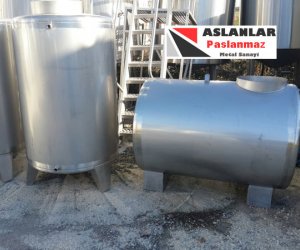
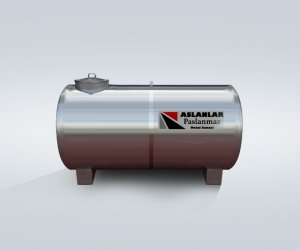
Stainless steel tanks are important equipment preferred in many sectors because they are durable, resistant to corrosion and long-lasting. Stainless steel is a material consisting of an alloy of iron and chromium and has high resistance to rust. Thanks to these features, it is suitable for the safe storage of water, chemicals, food products and various liquids.
Common areas of use of stainless steel tanks:
- food industry: Compliance with hygienic storage requirements in food production facilities.
- chemical industry: Safe storage of chemicals.
- energy sector: Use in energy facilities requiring high durability.
Basic Elements in Pricing
The first and most important factor determining stainless steel warehouse prices is the cost of the material. Stainless steel is a more costly material than other types of metal, but its long life, low maintenance and resistance to corrosion offset this cost over time.
- Material Cost: The quality and type of steel (for example, 304 or 316 grade steel) directly affects the cost.
- Production Process: The technology used in the design and production of warehouses is reflected in the prices along with labor costs.
- Workmanship: High workmanship quality is of great importance for the durability and safety of stainless steel tanks.
Stainless Steel Grades
Stainless steel warehouse prices can vary greatly depending on the quality of the steel used. There are significant differences in cost between the two most commonly used stainless steel types, 304 and 316 grades.
- 304 Quality Stainless Steel: It is a more common and economical option. It has good resistance to corrosion, but is less durable in environments in contact with harsh chemicals.
- 316 Quality Stainless Steel: It is more resistant to harsh conditions such as sea water or chlorinated water. Although it is more expensive, it is preferred in areas such as the chemical industry.
Warehouse Size and Volume
The volume of a stainless steel tank directly affects the price. Large capacity warehouses are more expensive in terms of production and material costs. However, large warehouses also have cost advantages because they are more suitable for bulk storage and can be cost-effective in the long run.
- Large Warehouses: Large warehouses are more preferred, especially in industrial facilities. However, this size can also increase transportation and installation costs.
Production Techniques and Cost
The technologies used in the production of stainless steel tanks play a decisive role on prices. In particular, modern production methods such as welding technologies and CNC cutting provide more precise results, but may increase the cost.
- Welding Technologies: While welding processes increase the durability of warehouses, they can also increase the cost.
- CNC Cutting: This technology, used for more complex and customized designs, requires more labor and time, which is reflected in the prices.
Fluctuations in Raw Material and Steel Prices
Stainless steel may be subject to price fluctuations depending on metal markets around the world. Raw material prices, especially steel, and problems in the supply chain directly affect production costs. These fluctuations in raw material prices are also reflected in the prices of the final product, stainless steel tanks.
- Steel Prices: Increases or decreases in steel prices affect warehouse costs.
- Supply Chain Issues: Especially situations such as pandemics or global crises may cause delays in production and therefore price increases.
Geographic Region and Logistics Costs
Stainless steel warehouse prices may vary by geographic region. The distance of the production site and delivery area can increase shipping costs. Additionally, labor costs in some regions can also directly affect prices.
Customization Needs and Extra Hardware
Privatization of warehouses or demand for additional equipment may increase prices. For example, special additions such as valves, pressure gauges or heaters may cost more than standard tanks. Additionally, custom designs based on customer needs also require more labor and production costs.
- Extra Hardware: Every extra added to the warehouse will increase the cost.
- Customized Design: Customizations made on the warehouse directly affect the price.
Storage Needs and Purpose of Use
Stainless steel tanks may vary according to different usage purposes in different sectors. Tanks used in the chemical, food, water treatment or energy sectors are priced according to different requirements. For example, while stainless steel must have a certain quality in accordance with hygiene standards in the food industry, higher resistance to corrosion is required in the chemical industry.
Effect of Longevity and Durability on Price
The long life and durability of stainless steel tanks may increase the initial investment cost, but this saves money in the long run. While thicker materials and high-quality workmanship extend the life of the tank, they can also increase costs.
- Thickness: Thicker materials offer higher durability but increase the price.
Certifications and Legal Requirements
In some industries it is necessary to have certain certifications for stainless steel tanks. These certifications confirm the safety and quality of the warehouse, but these processes and documentation are also reflected in the costs.
- Quality Certificates: Documents such as ISO and CE increase costs.
Demand and Supply Situation in Pricing
Stainless steel warehouse prices are directly related to industrial demand and steel supply. Prices may increase during periods when steel production decreases or demand is high. Conversely, prices may decline during times when steel production increases and demand is low.
- High Demand Periods: Times when the demand for stainless steel warehouses increases, especially in the industrial and construction sectors, may cause prices to rise.
- Supply Shortages: Difficulties in obtaining raw materials may slow down the production process and increase prices.
The Effect of Brand and Manufacturer Quality on Prices
Another important factor that determines stainless steel tank prices is the quality of the brand and manufacturer. Products from well-known and reliable manufacturers are generally higher priced because these manufacturers offer higher quality materials and workmanship. Additionally, factors such as customer service, warranty period and after-sales support also affect prices.
- Well-Known Brands: High-quality manufacturers can push prices up by offering longer-lasting and durable products.
- Warranty and Technical Support: Better warranty conditions and after-sales support are among the factors that increase prices.
Price Comparison and Market Research
Comparing prices when purchasing a stainless steel tank can help you find the most affordable product. Since there are many different manufacturers and models on the market, it is important to do accurate price research. Also, knowing the average prices in the market will help you manage your budget better.
- Price Analysis: There may be price differences between warehouses of the same quality and size. It is possible to make the most appropriate choice by performing price analysis.
- Market Research: A broader perspective can be obtained by getting price quotes not only from local but also international manufacturers.
Things to Consider When Purchasing Stainless Steel Tank
When purchasing a stainless steel tank, not only price but also quality and durability should be considered. An affordable tank may incur more maintenance and repair costs over time. Therefore, it is important to strike a balance between quality and price before making the purchasing decision.
- Cost-Benefit Analysis: In addition to the initial purchase cost, it is necessary to take into account the maintenance and repair costs that will occur during the period you will use the warehouse.
- Quality and Price Balance: Although a higher quality product increases the initial investment cost, it offers lower maintenance and repair costs in the long run.
Second Hand Stainless Steel Warehouse Prices
Second-hand stainless steel tanks may be a more affordable alternative. However, there are important points to consider about these products. In particular, the condition, maintenance history and usage period of the warehouses are among the main factors that determine the prices. Additionally, whether second-hand warehouses have a long lifespan is another factor to consider.
- Second Hand Advantages: They may be preferred due to their low cost, but the general condition and maintenance of the warehouses are important.
- Factors Affecting Second Hand Prices: The usage period of the warehouses, whether there is any damage to the internal structure, maintenance history and general condition directly affect the prices.
Maintenance Costs of Stainless Steel Tanks
Although stainless steel tanks offer durability and long-lasting use, they may require maintenance over time. Regular maintenance increases the performance and life of tanks. Maintenance costs may vary depending on tank size, frequency of use and item stored. Additionally, possible malfunctions and repair costs can be avoided with correct maintenance practices.
- Maintenance Requirements: Regular cleaning and protective coating of stainless steel tanks ensure their long life.
- Maintenance Recommendations for Long-Lasting Tanks: The inner and outer surfaces of the warehouses must be checked periodically and protective processes against rust must be applied.
Future Trends in Stainless Steel Warehouse Prices
Technological developments and environmental factors may affect stainless steel warehouse prices in the future. Changes in warehouse costs are expected, especially with the use of new production techniques and more efficient materials. Additionally, sustainability efforts and environmentally friendly approaches in steel production may play a role in shaping prices.
- Technological Developments: New production techniques can reduce costs.
- Environmental Factors: Environmentally friendly approaches in steel production will be among the important factors affecting costs.
Strategies to Gain Price Advantage
Various strategies can be applied to provide cost advantage in purchasing stainless steel warehouses. Bulk purchasing, special deals, or contacting the manufacturer directly are effective ways to lower prices. Additionally, bargaining opportunities can be evaluated to obtain the best price without compromising the warehouse features.
- Bulk Purchase: When purchasing more than one warehouse, you can gain a price advantage by purchasing in bulk.
- Direct Communication with Manufacturers: Contacting the manufacturer directly without intermediaries can reduce costs.
How Can You Reduce Stainless Steel Warehouse Prices?
There are various ways to reduce stainless steel warehouse prices. Among these ways, choosing the right manufacturer, optimizing warehouse features and taking advantage of bulk purchasing opportunities stand out. Additionally, monitoring price fluctuations in the market and making purchases at appropriate times can also reduce costs.
- Choosing the Right Manufacturer: Working with a reliable and affordable manufacturer can significantly reduce costs.
- Reducing Privatization Requests: Choosing a standard warehouse may be less costly than customized warehouses.
Frequently Asked Questions (FAQ)
1. What is the most important factor determining stainless steel warehouse prices?
The most important factor determining prices is the quality of the stainless steel used. Additionally, warehouse size, production techniques, labor costs and customization demands also have a big impact on the price.
2. What is the difference between 304 and 316 grade stainless steel?
304 grade stainless steel is more common and cost-effective. 316 quality is more resistant to harsh conditions such as chemicals and sea water and is therefore more expensive.
3. How does warehouse size affect price?
As the warehouse size increases, the amount of materials used and labor costs also increase, which directly affects the price.
4. Does it make sense to buy a second-hand stainless steel tank?
Second-hand warehouses can be an affordable alternative, but it is necessary to analyze the tank condition well and review the maintenance history.
5. Are the maintenance costs of stainless steel tanks high?
With regular maintenance, the life of stainless steel tanks can be extended and repair costs can be saved in the long run. Maintenance costs are generally not very high, but can vary depending on tank size and intended use.
6. How can I reduce stainless steel warehouse prices?
You can buy in bulk to reduce prices, contact manufacturers directly, or avoid customization costs by choosing standard models.
Conclusion
There are many factors affecting stainless steel warehouse prices, and each has a significant impact on costs. When purchasing a warehouse, it is important to make the best decision by considering your budget and long-term needs. In particular, choosing quality materials and working with the right manufacturers can reduce your costs in the long run and enable you to have more durable, long-lasting warehouses.