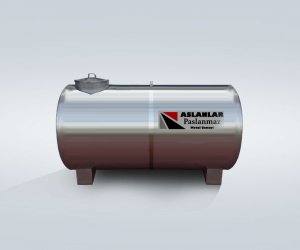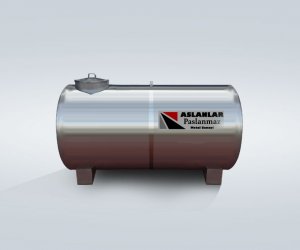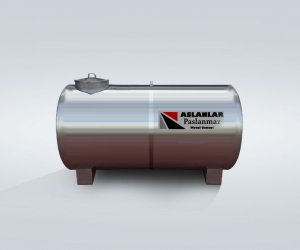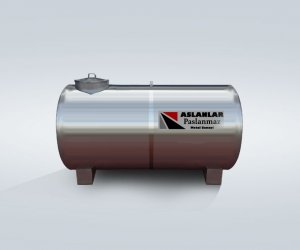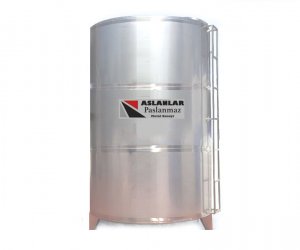
Stainless Fuel Tank
Offering reliability and durability together, the stainless fuel tank is an ideal option for industrial uses. Made of stainless steel, this tank provides long-lasting use with its high strength and rust resistance.
Stainless Fuel Tank
- 2024-07-09 07:10:50
- Muhammed ERDOĞAN

Fuel storage is of critical importance in many sectors and the quality of the tanks used in this process is of great importance. This is where the stainless fuel tank comes into play. So, what is the importance of stainless fuel tanks and why should they be preferred? In this article, we will cover all aspects of stainless fuel tanks in detail.
What is a Stainless Fuel Tank?
Basic Description and Features
Stainless fuel tanks are tanks made of stainless steel and designed for safe and long-term storage of fuel. The durability and corrosion resistance provided by stainless steel make these tanks an ideal choice.
Comparison with Other Tank Types
Stainless fuel tanks last much longer than plastic or carbon steel tanks. Plastic tanks are more susceptible to chemical reactions, while carbon steel tanks are more vulnerable to corrosion.
Advantages of Stainless Fuel Tanks
Durability and Longevity
Stainless steel is extremely resistant to abrasion and impacts. This ensures the long life of stainless fuel tanks.
Corrosion Resistance
Stainless steel has excellent resistance to corrosion. This feature makes it ideal for use especially outdoors and in harsh weather conditions.
Ease of Maintenance
Stainless fuel tanks have low maintenance requirements. Stainless surfaces make cleaning and maintenance easier.
Usage Areas of Stainless Fuel Tanks
Industrial Use
Stainless fuel tanks are widely used in factories and production facilities. Durability and reliability make these tanks ideal for industrial applications.
Agriculture Sector
Stainless fuel tanks are preferred to meet the fuel needs of machines used in agriculture. These tanks are capable of storing large volumes of fuel.
Maritime industry
The use of stainless fuel tanks is also common in the maritime industry. Their resistance to sea water makes these tanks a great option for ships and boats.
Design and Production of Stainless Fuel Tanks
Design Stages
The design process for a stainless fuel tank varies depending on the tank's intended use and the type of fuel to be stored. Detailed engineering calculations are made at each step.
Production Process
The manufacturing process begins with the selection of high-quality stainless steel. Steel sheets are cut, shaped and joined by welding processes. High-tech machines are used in this process.
Quality Control and Tests
After production is completed, each stainless fuel tank undergoes extensive quality control testing. These tests confirm the reliability of the tank in terms of tightness and durability.
Things to Consider When Choosing a Stainless Fuel Tank
Area Covered and Dimensions
The dimensions of the tank must be suitable for the area of use. In order to use the space efficiently, a tank of the right size should be selected.
Fuel Type to be Stored
The type of fuel to be stored affects the material selection of the tank. Stainless steel is suitable and safe for many types of fuel.
Security Features
The safety features of the tank provide protection against possible dangers. Therefore, tanks that comply with safety standards should be preferred.
Maintenance of Stainless Fuel Tanks
Regular Maintenance Tips
Regular maintenance should be performed to extend the life of the tank. Periodic checks and cleaning improve the performance of the tank.
Common Problems and Solutions
Over time, some problems may arise in tanks. The most important of these problems are leaks. When a leak is detected, immediate action must be taken.
Cost and Economic Value of Stainless Fuel Tanks
Investment Cost
The initial cost of stainless fuel tanks may be higher than other tank types. However, the advantages it provides in the long run offset this cost.
Long Term Savings
Low maintenance costs and long life make stainless fuel tanks economically advantageous.
Environmental Effects of Stainless Fuel Tanks
Eco-Friendly Features
Stainless steel is a recyclable material. This shows that stainless fuel tanks are an environmentally friendly option.
Recycling and Sustainability
At the end of its useful life, stainless steel tanks can be recycled. This feature is important for a sustainable environment.
Differences Between Stainless Fuel Tank and Water Tank
Material and Structure Differences
Water tanks are usually made of plastic or other metals. Stainless fuel tanks, on the other hand, are made of stainless steel and this leads to structural differences.
Intended Use and Application Areas
While water tanks are used for storing drinking water and other liquids, stainless fuel tanks are designed to store fuel.
Fuel Tank Safety
Safety Standards and Regulations
Fuel tanks must comply with certain safety standards. These standards ensure the safe use of tanks.
Emergency Measures
Precautions to be taken in emergency situations increase the safety of tanks. These measures include fire extinguishing