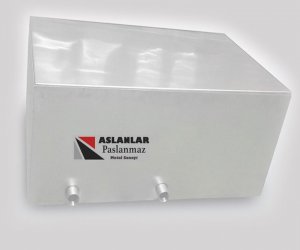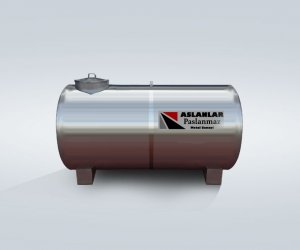
Stainless Steel Water Tank
Stainless steel water tanks offer an ideal solution for the safe and clean storage of water. These warehouses, which stand out with their durability, hygiene and environmentally friendly features, are widely used in both domestic and industrial areas.
Stainless Steel Water Tank
- 2024-07-16 09:29:57
- Muhammed ERDOĞAN


Stainless steel water tanks are one of the most ideal solutions for safe and clean storage of water. With developing technology, water storage systems have also evolved and stainless steel water tanks have begun to be widely used in both domestic and industrial areas. So, what is a stainless steel water tank and why is it so preferred?
What is a Stainless Steel Water Tank?
Stainless steel water tank, as the name suggests, is a storage unit made of stainless steel and used to preserve water. These tanks are resistant to corrosion and long-lasting to maintain the quality of the water they contain.
History of Stainless Steel Water Tanks
The use of stainless steel water tanks first started in the mid-20th century. At that time, water storage systems were generally made of concrete or plastic. However, over time, the advantages of stainless steel were realized and this material began to be widely used in water storage systems.
Advantages of Stainless Steel Water Tanks
Corrosion Resistance
Stainless steel water tanks are extremely resistant to corrosion, despite being in constant contact with water. This feature helps maintain the quality of the water stored in the tank and ensure its longevity.
Durability and Longevity
Stainless steel material is highly resistant to physical impacts. Therefore, stainless steel water tanks can be used without any problems for many years.
Hygiene and Health
Stainless steel is a hygienic material and does not allow bacteria or germs to grow in water. This ensures that the water always remains clean and healthy.
Being Environmentally Friendly
Stainless steel is a recyclable material. Therefore, stainless steel water tanks stand out as an environmentally friendly option.
Disadvantages of Stainless Steel Water Tanks
Although they have many advantages, stainless steel water tanks also have some disadvantages. For example, its cost is slightly higher than other materials and the installation process may be more laborious.
Different Types of Stainless Steel Water Tanks
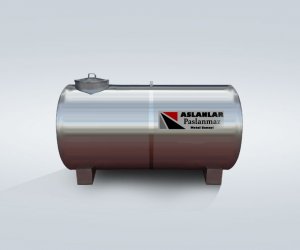
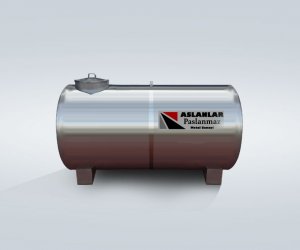
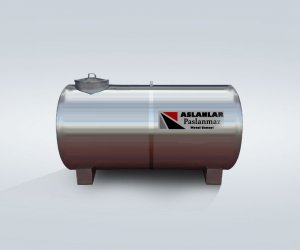
Horizontal Water Tanks
These types of warehouses are generally used in large areas and are placed horizontally on the ground.
Vertical Water Tanks
Vertical water tanks have a vertical structure and take up less space. Therefore, it is preferred in places where space is limited.
Modular Water Tanks
Modular water tanks consist of more than one module and can be expanded according to the desired capacity.
Things to Consider When Choosing a Stainless Steel Water Tank
Capacity
Storage capacity is one of the most important factors to consider when choosing a water tank. Determining the capacity that suits your needs ensures efficient use of the water tank.
Thickness and Material Quality
The thickness of the stainless steel water tank and the quality of the material used affect the quality of the stored water and the durability of the tanks.
Ease of Assembly and Maintenance
The water tank you choose should be easy to install and maintain. This makes warehouse use more practical.
How to Clean a Stainless Steel Water Tank?
Cleaning of stainless steel water tanks is extremely important in terms of hygiene. Internal surfaces of the warehouse must be cleaned and disinfected regularly. Special cleaning agents and equipment can be used for this process.
Usage Areas of Stainless Steel Water Tank
Domestic Use
Stainless steel water tanks are frequently preferred to meet the water needs at home.
Industrial Use
It is used in industrial areas to store water required in production processes.
Agricultural Use
Large capacity stainless steel water tanks are an ideal solution for agricultural irrigation.
Pricing of Stainless Steel Water Tanks
Prices of stainless steel water tanks may vary depending on factors such as capacity, material quality and brand. Generally, tanks with larger capacities and made from higher quality materials are priced higher.
Comparison of Stainless Steel Water Tank and Plastic Water Tank
Stainless steel water tanks are more durable and longer lasting than plastic water tanks. In addition, stainless steel material is more advantageous from a hygienic point of view.
The Role of Stainless Steel Water Tanks in the Future
In the future, the importance of stainless steel water tanks will increase in order to use water resources more efficiently. These tanks ensure safe and clean storage of water.
Conclusion
Stainless steel water tanks offer an ideal solution for the safe and clean storage of water. These warehouses, which stand out with their durability, hygiene and environmentally friendly features, are widely used in both domestic and industrial areas. By considering the factors to be considered when choosing a stainless steel water tank, you can choose the tank that best suits your needs.
FAQ
How long does a stainless steel water tank last?
Stainless steel water tanks require proper maintenance and use
It can last 20 years or more under operating conditions.
Does a stainless steel water tank corrode?
Stainless steel material is extremely resistant to corrosion. However, there may be a risk of corrosion under adverse conditions such as excessive chemical exposure.
How to install a stainless steel water tank?
The installation of the stainless steel water tank should be done by experts. There are many technical details that need to be taken into consideration during the assembly process.
How to clean stainless steel water tank?
Special cleaning agents and equipment should be used for warehouse cleaning, and the internal surfaces of the warehouse should be cleaned and disinfected regularly.
How are stainless steel water tank prices determined?
Prices are determined by factors such as warehouse capacity, material quality and brand. Generally, larger and higher quality tanks are priced higher.