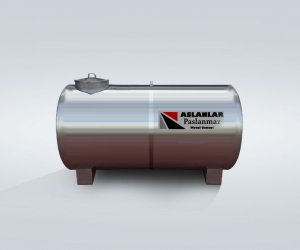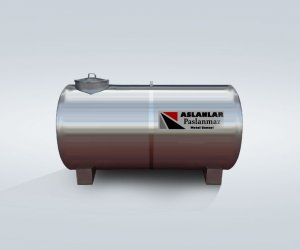
Stainless Water Tanks
Stainless water tanks play an important role in storing and protecting water. These tanks ensure that water is kept clean and safe.
Stainless Water Tanks
- 2024-07-10 07:11:52
- Muhammed ERDOĞAN


The Importance of Stainless Water Tanks
Stainless water tanks play an important role in storing and protecting water. These tanks ensure that water is kept clean and safe. Stainless water tanks offer a vital solution, especially in areas where water shortages occur or where water quality is low.
Uses and Benefits
Stainless water tanks have a wide range of uses, from homes to industrial facilities. They ensure safe storage of water thanks to their hygienic, long-lasting and durable structure. Additionally, the ability to store water for a long time without compromising its quality is one of the reasons why these tanks are preferred.
Features of Stainless Water Tanks
Durability and Longevity
stainless water tanks are made of stainless steel and thus show high resistance to corrosion. These tanks, which can be used safely for many years, are also extremely resistant to external factors.
Hygiene and Health
Stainless water tanks offer hygienic and healthy water storage solutions. Stainless steel has a structure that does not allow bacteria to grow. This ensures that the water remains clean and drinkable.
Being Environmentally Friendly
Stainless water tanks are environmentally friendly products. Thanks to their long-lasting structure, they do not need to be replaced frequently and are produced from recyclable materials. This keeps their impact on the environment to a minimum.
Types of Stainless Water Tanks

Cylindrical Tanks
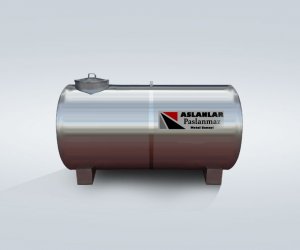
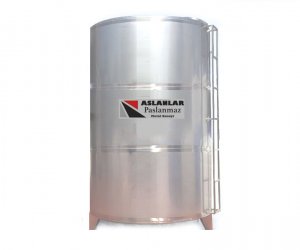
Cylindrical stainless water tanks are one of the most commonly used tank types. They can be designed both vertically and horizontally. These tanks are space-saving and easy to install.

Rectangular Tanks
Rectangular tanks are ideal for use in particularly tight spaces. Thanks to their modular structure, they can be produced in various capacities and are easy to assemble.

Usage Areas of Stainless Water Tanks
Domestic Use
Stainless water tanks are used in cases of water shortage at home or to improve the quality of water. Small capacity tanks are ideal for domestic use.
Industrial Use
Large capacity stainless water tanks are used in industrial facilities. These tanks are used to store and continuously supply the water required in production processes.
Agricultural Use
Stainless water tanks are used in agricultural areas, especially in irrigation systems. These tanks ensure that water is evenly distributed across agricultural fields.
Advantages of Stainless Water Tanks
Corrosion Resistance
Stainless steel does not corrode when in contact with water. This ensures the long life of stainless water tanks.
Thermal insulation
Stainless water tanks have good thermal insulation. In this way, the temperature of the water remains constant for a long time and energy is saved.
Disadvantages of Stainless Water Tanks
High Cost
Stainless steel is more expensive than other materials. For this reason, the cost of stainless water tanks is high.
Weight
Stainless water tanks are quite heavy. This can make their transportation and installation difficult.
Things to Consider When Choosing a Stainless Water Tank
Capacity and Size
It is important to choose a tank of the right capacity and size according to the intended use. You must determine your needs and choose a tank that suits them.
Maintenance and Cleaning of Stainless Water Tanks
Regular Checks
Regular checking of the tank prevents possible malfunctions and leaks. These controls ensure the long life of the tank.
Internal Cleaning
Internal cleaning of stainless water tanks is important to protect the quality of the water. Internal cleaning should be done regularly and the tank should be kept hygienic.
Exterior Care
External surface maintenance ensures the protection of the tank against external factors. Keeping stainless steel surfaces clean and well-maintained also preserves the aesthetic appearance of the tank.
Stainless Water Tanks and the Environment
Sustainability
Stainless water tanks are a sustainable solution because they are made of long-lasting and recyclable materials.
Energy-saving
Stainless water tanks, which have good thermal insulation, save energy. This contributes both to the environment and economically.
Recycle
Stainless steel is a 100% recyclable material. At the end of its useful life, it can be recycled and reused.
The Future of Stainless Water Tanks
Technological developments
Stainless water tanks are constantly evolving with technology. More durable and efficient tanks are produced with new materials and production techniques.
New Trends
In the future, trends such as smart water management systems and energy efficiency will shape the use of stainless water tanks.
Changes in the Market
Market dynamics and consumer needs will determine how stainless water tanks will take shape in the future. Innovative solutions and customer-oriented approaches will stand out in this field.
Frequently Asked Questions (FAQs)
How durable are stainless water tanks?
Stainless water tanks have high resistance to corrosion and are long-lasting. With proper care, it can be used for years without any problems.
How to clean stainless water tanks?
The inner and outer surfaces of stainless water tanks should be cleaned regularly. Appropriate cleaning agents should be used for internal cleaning and water quality should be maintained.
Which capacity tank should I choose?
It is important to choose a tank of the right capacity according to your intended use. While small capacity tanks may be sufficient for domestic use, larger capacity tanks may be required for industrial use.
How much do stainless water tanks cost?
The cost of stainless water tanks varies depending on capacity, material quality and manufacturer. There are tanks in different price ranges on the market.
Are stainless water tanks environmentally friendly?
Yes, stainless water tanks are environmentally friendly. They are produced from recyclable materials and their impact on the environment is kept to a minimum thanks to their long-lasting structure.