Why Are Stainless Steel Tanks Preferred in the Chemical Industry
The chemical industry is a field that requires extremely complex and delicate processes. Considering the safety, efficiency and cost of these processes, the selection of appropriate materials is of great importance.
Why Are Stainless Steel Tanks Preferred in the Chemical Industry
- 2024-09-18 11:25:40
- Muhammed ERDOĞAN

Why Are Stainless Steel Tanks Preferred in the Chemical Industry?
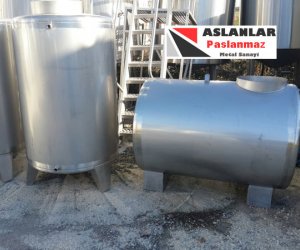
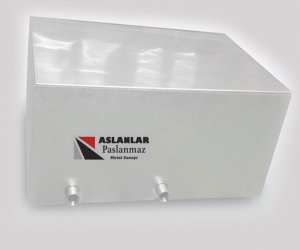
The chemical industry is a field that requires extremely complex and sensitive processes. Considering the safety, efficiency and cost of these processes, selection of appropriate materials is of great importance. stainless steel tanksIt is widely preferred especially in critical processes such as storage, mixing and transportation of chemical substances. These materials have many advantages such as resistance to chemical reactions, durability and long-lasting structures. So, what are the reasons why stainless steel tanks are preferred in the chemical industry?
1. Use of Stainless Steel Tanks in the Chemical Industry
In the chemical industry, stainless steel tanks play a vital role in the safe storage of liquid and solid chemicals. Especially in environments where hazardous and corrosive substances are used, the corrosion resistance of tanks allows the safe storage of chemicals. This ensures that production processes are carried out safely and efficiently.
2. Chemical Resistance Properties of Stainless Steel
One of the most distinctive features of stainless steel is its excellent resistance to corrosion. It is extremely important that chemicals do not damage the metal, especially in tanks used to store chemicals. Stainless steel has high resistance to oxidation and rust, which provides protection from the negative effects of chemical reactions.
3. Stainless Steel and Hygienic Standards
Hygiene and cleanliness are of great importance in the chemical industry. Stainless steel is easy to clean thanks to its smooth surface and does not allow bacteria to grow. That's why companies that produce in compliance with hygiene standards prefer stainless steel tanks. Additionally, these tanks maintain the purity of chemical reactions, minimizing the risk of contamination.
4. Mechanical Durability of Stainless Steel Tanks
Stainless steel tanks are known for their high pressure and temperature resistant structures. Many processes performed in the chemical industry require high temperatures and pressure. Stainless steel offers durability to withstand these harsh conditions. This ensures that production processes continue uninterrupted and safely.
5. Long-Lasting Investment: Stainless Steel Tanks
The long life of stainless steel tanks is a great advantage in reducing costs in the chemical industry. Thanks to its high durability, it does not require frequent maintenance or replacement, which means savings for businesses in the long run. Additionally, since stainless steel tanks are recyclable, they also create a positive impact in terms of environmental sustainability.
6. Use of Stainless Steel Tanks in Different Industries
Stainless steel tanks are widely used not only in the chemical industry, but also in the food, pharmaceutical and cosmetic industries. Food safety and hygiene standards are extremely important in pharmaceutical production, and stainless steel tanks meet these requirements.
7. Cost Advantages of Stainless Steel Tanks
Initially, the cost of stainless steel tanks may be higher than tanks made from other materials. However, they provide a total cost advantage because they are long-lasting, have low maintenance costs and do not encounter problems such as corrosion. This provides a cost-effective solution for businesses in the long run.
8. Suitability for Various Chemical Substances
Stainless steel tanks are compatible with a variety of chemicals such as acids, bases and other corrosive chemicals. This versatility makes stainless steel tanks a reliable option when working with different substances used in the chemical industry.
9. Environmental Impacts of Stainless Steel Tanks
Stainless steel is a completely recyclable material. Thanks to this feature, stainless steel tanks stand out as an environmentally friendly option. With the increasing importance given to environmental sustainability in the chemical industry, recyclable materials are preferred.
10. Safety Elements in Stainless Steel Tanks
Safety plays an important role in the design of stainless steel tanks. Especially in the storage of hazardous chemicals, structures resistant to the risk of leakage and explosion are used. Additionally, the fact that stainless steel does not react with chemicals contributes to keeping safety at a high level.
11. Use of Different Types of Stainless Steel in the Chemical Industry
The most commonly used types of stainless steel in the chemical industry include 304 and 316 stainless steel. While 316 stainless steel is preferred because it offers greater corrosion resistance, especially in chloride-containing environments, 304 stainless steel is popular in more general-purpose uses.
12. Design and Production Processes of Stainless Steel Tanks
The manufacturing processes of stainless steel tanks require engineering precision. Special designs and production techniques are applied to make tanks durable, safe and efficient. The quality of the material used in this process and the functionality of the design affect the success of chemical production processes.
13. Differences Between Stainless Steel Tanks and Plastic or Carbon Steel Tanks
Plastic or carbon steel tanks may be suitable under certain conditions; However, stainless steel tanks are much more advantageous in terms of corrosion resistance, longevity and ease of maintenance. Considering the aggressive nature of chemicals used in the chemical industry, it is clear that stainless steel tanks are a safer option.
14. Maintenance Requirements of Stainless Steel Tanks
Stainless steel tanks are extremely easy to clean and maintain. Thanks to its smooth surface, it does not retain dirt and does not require abrasive cleaners. This saves time and costs.
15. Future Technological Developments of Stainless Steel Tanks
As technology develops, the production techniques and material properties of stainless steel tanks also advance. It is anticipated that lighter, more durable and more cost-effective stainless steel tanks will be produced in the future.
16. Legislation and Standards for the Use of Stainless Steel Tanks in the Chemical Industry
The use of stainless steel tanks in the chemical industry is subject to many national and international regulations and standards. Safety and environmental factors are of great importance, especially in the storage and processing of hazardous chemicals. In the European Union (EU) and the United States, standards established for chemical storage tanks require tanks to be tested for durability and safety. Stainless steel tanks are primarily preferred in the chemical industry because they meet these strict safety standards.
Legislation and Standards
- EU Norms: Determined by EU regulations regarding the transportation and storage of chemicals, especially REACH and CLP (Classification, Labeling and Packaging) regulations. These regulations require that the materials of tanks that come into contact with chemicals be safe and durable.
- American Standards: In America, there are standards regarding pressure vessels and tanks determined by ASME (American Society of Mechanical Engineers). Tests to measure the resistance of stainless steel tanks to chemicals are part of these standards.
17. Innovations and Technological Advances in the Production of Stainless Steel Tanks
Today, the technologies used in stainless steel tank production are constantly developing. In particular, laser cutting technologies, 3D modeling and automatic welding machines allow tanks to be produced more precisely and faster. In addition, new material engineering fields such as nanotechnology offer innovations to increase the resistance of stainless steel to chemicals. These innovations contribute to safer and more efficient production processes in the chemical industry.
Future Developments
- New Alloys: Studies on lighter but also stronger stainless steel alloys aim to reduce the weight of tanks and at the same time increase their resistance to chemicals.
- Coating Technologies: Coatings applied to the inner surface of tanks provide extra protection against chemicals. In the future, coating materials developed with nanotechnology can be used to make these coatings more durable and long-lasting.
18. Installation and Transportation of Stainless Steel Tanks
Installation of stainless steel tanks is a process that requires careful planning in storage and processing areas. These tanks are usually assembled on site and can be very difficult to transport due to their large size. However, modular designs allow tanks to be transported in parts and assembled at the site of use, which is an advantage especially for large capacity tanks.
Assembly Procedures
- On-site Assembly: Large stainless steel tanks are usually assembled on site, and engineering solutions are of great importance in this process. During assembly, the tank must be aligned correctly, fixed in a pressure-resistant manner and its connections must be secure.
- Modular Designs: Tanks that can be transported in parts are assembled on site. In this way, large areas without space limitations can be created within the factory.
19. The Efficiency-Increasing Role of Stainless Steel Tanks in the Chemical Industry
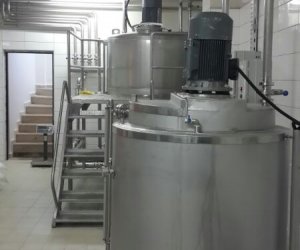
In the chemical industry, stainless steel tanks contribute to more efficient and economical execution of processes. These tanks allow chemical reactions to be carried out in a more controlled manner, while also helping to improve product quality. The tanks' durability and low maintenance requirements allow businesses to operate without interruption.
Efficiency Elements
- Long Lasting Use: Thanks to its durable material, stainless steel tanks can be used for a long time, which allows production processes to continue without interruption.
- Low Maintenance Cost: Its easy-to-clean structure and high corrosion resistance reduce maintenance costs.
20. Maintenance and Cleaning of Stainless Steel Tanks
Stainless steel tanks are very easy to maintain. Thanks to their smooth surfaces, residues and dirt accumulated on the tanks can be easily cleaned. This is an important advantage, especially in processes where hygiene is critical in the chemical industry.
Maintenance Procedures
- Periodic Cleaning: Cleaning stainless steel tanks at regular intervals prevents the accumulation of chemical residues on the inner surface of the tank and improves the performance of the tank.
- Cleaning with Chemicals: Non-corrosive chemicals are generally preferred when cleaning stainless steel tanks. This ensures that the surface of the tank is protected.
21. Effect of Stainless Steel Tanks on Chemical Reactions
Stainless steel tanks allow chemical reactions to occur in a safe environment. Choosing stainless steel tanks for reactions taking place under high temperature and pressure ensures that the structural integrity of the tank is preserved. Stainless steel tanks do not react with chemicals, preserving the purity and quality of the reaction.